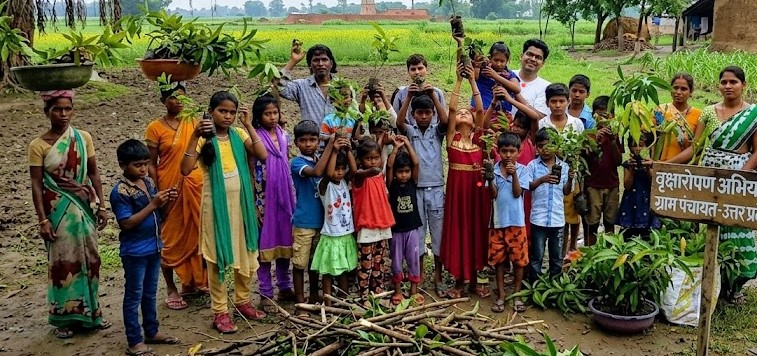
The land had been quiet for years. A stretch of dusty, cracked earth on the outskirts of a village in Uttar Pradesh — once green, now grey, stripped by seasons of drought and neglect. The elders remembered mango groves and neem canopies. The children had only known the heat.
On a Saturday before dawn, the Aadvi Foundation convoy arrived. Not with fanfare, but with 100 volunteers, 500 native saplings — neem, peepal, banyan, jamun, arjun — and a single shared purpose. By 6 AM, the village square was alive with an energy that had nothing to do with festivals and everything to do with hope.
"We're not just planting trees," said Hemant, kneeling beside a teenage boy struggling with a heavy sapling bag. "We're planting the shade your children will sit under."
The method was simple but deliberate. Pits dug to precise depths. Saplings handled by root balls, not stems. Water poured slow and steady, letting the earth drink. Villagers who had never met worked shoulder-to-shoulder with city volunteers — farmers guiding software engineers on soil composition, grandmothers teaching college students how to tamp earth without compacting roots.
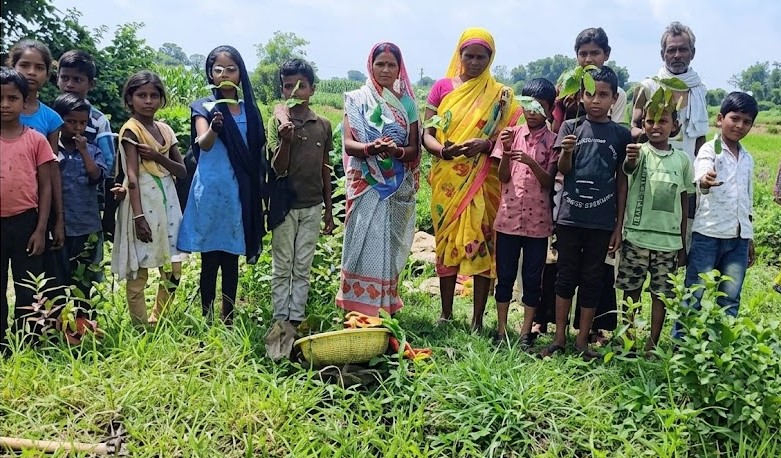
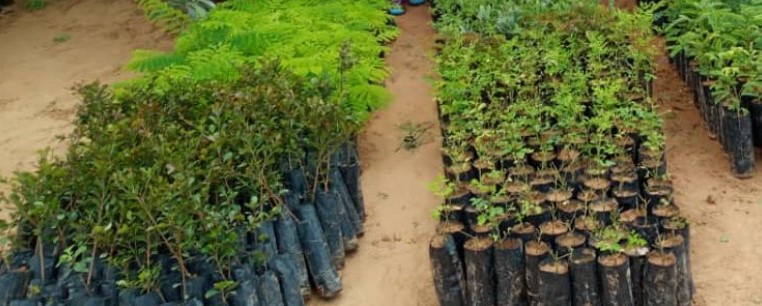
By noon, the first 300 were in the ground. By sunset, all 500 stood upright — fragile green flags on reclaimed earth. The volunteers were exhausted, dust-caked, smiling. The villagers stayed late, walking between rows, touching leaves like they were checking pulses.
Three months later, the survival rate is 94%. The neem are knee-high. The peepals have found groundwater. Birds have returned — drongos, bulbuls, a pair of parakeets nesting in a banyan that's barely a meter tall. The village has formed a "Van Rakshak" committee — forest guardians — meeting monthly to water, weed, and watch.
This is what restoration looks like. Not a photo op. Not a number in a report. It's a village that remembers it can heal its own land — and does.